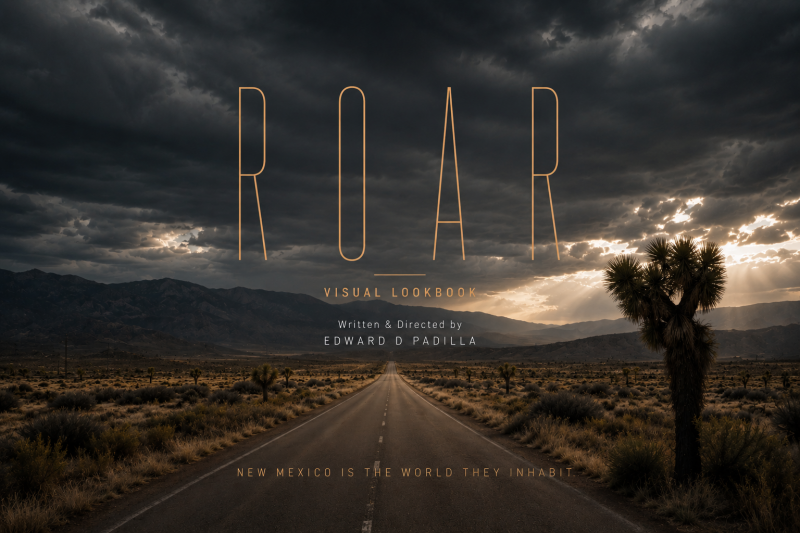
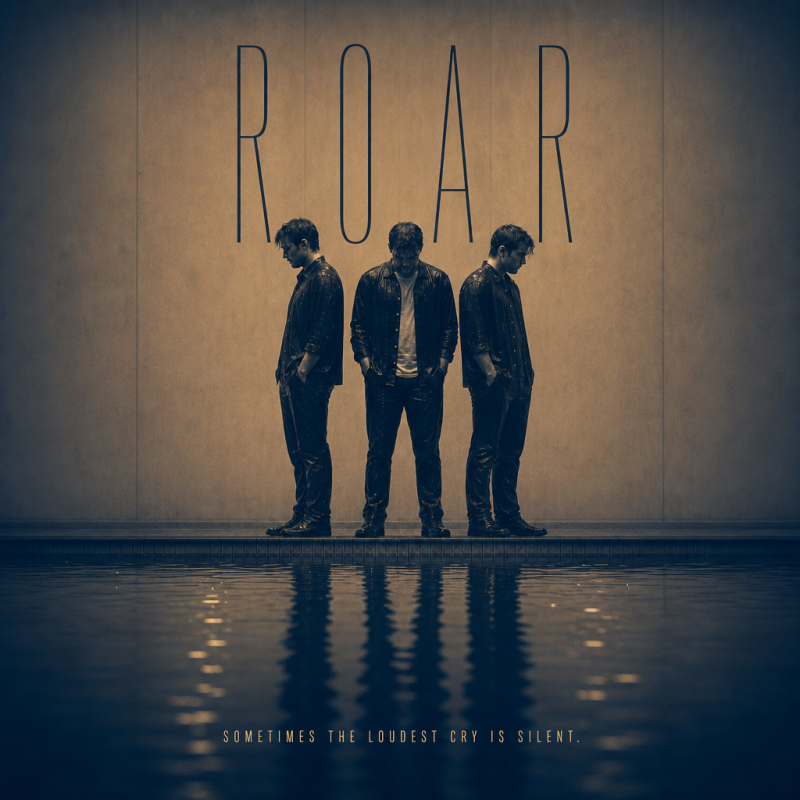
ROAR

LOGLINE

In a quiet New Mexico town, three men at different breaking points collide and form an uneasy bond that forces each of them to confront what they’ve been avoiding.

Synopsis

Ronan, a quiet food server who’s spent his life feeling overlooked, works alongside Riley, a co‑worker who hides the damage of an abusive relationship behind humor and bravado. Aiden, recently alone and already worn down by the weight of a life that feels finished before it’s begun, drifts at the edges of their world. A spilled drink sparks an unexpected connection between the three men, pulling them into a fragile orbit where small gestures and quiet moments reveal how much each of them is carrying. Without realizing it, they begin to help one another heal, even as the pressures of their lives keep tightening around them. ROAR is a grounded, masculine drama about men who have been shackled by circumstance, searching for a way forward when escape feels impossible.

Director's Statement

ROAR comes from a place I know well: the quiet pressure men carry when they don’t have the language or the space to say what’s actually happening inside them. I’ve spent years watching how humor, silence, work, and routine become armor, and how that armor eventually cracks. This film isn’t about big speeches or dramatic confrontations. It’s about the small, behavioral moments where men reveal themselves without meaning to.

Ronan, Riley, and Aiden aren’t extraordinary. They’re not heroes. They’re men who’ve been worn down by life in different ways, each of them stuck in a place they don’t know how to leave. What interests me is how they collide - not through plot mechanics, but through the accidental intimacy of working together, sharing space, and noticing each other’s fractures. A spilled drink becomes a connection. A joke becomes a shield. A quiet moment becomes a lifeline. These are the kinds of interactions that shape real lives, and they’re the ones I want to explore.

My approach to ROAR is simple: stillness, restraint, and honesty. I’m not interested in melodrama or spectacle. I’m interested in the tension that builds when men finally stop running from themselves, even for a moment. The film lives in the spaces between words - in glances, pauses, and the weight of what goes unsaid. It’s a story about three men who don’t realize they’re helping each other heal, and who may never fully understand the impact they have on one another.

ROAR represents the kind of filmmaking I believe in: grounded, masculine, character‑driven, and unafraid of quiet. It’s a film about men who have been shackled by circumstance, trying to find a way forward when escape feels impossible. That’s the world I want to bring to the screen.

Tone and Texture

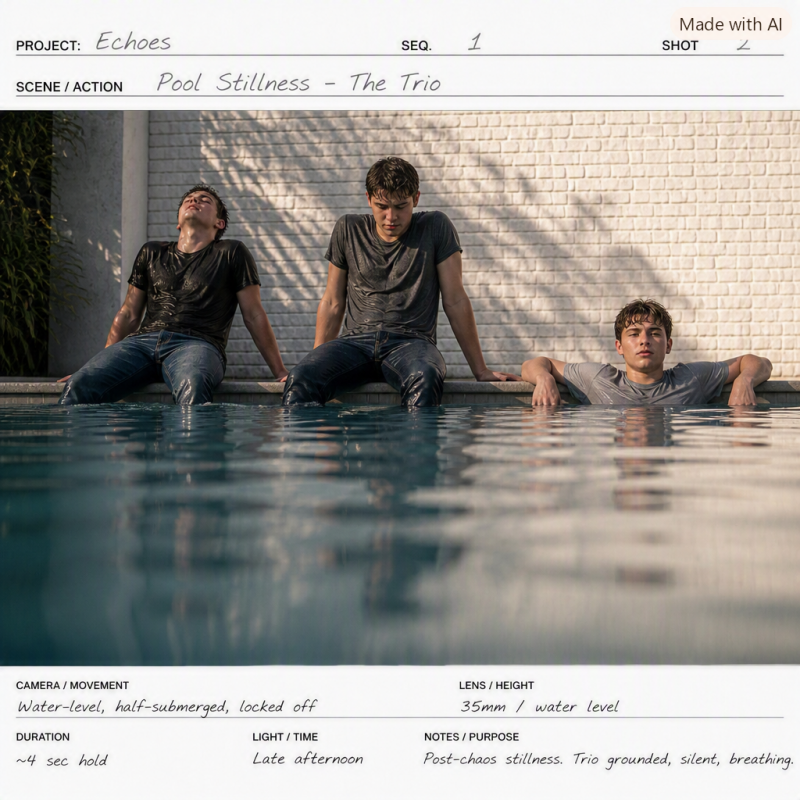
Each tone represents a different form of isolation.

Umber — the weight of being unseen.

Petrol Blue — the quiet search for comfort.

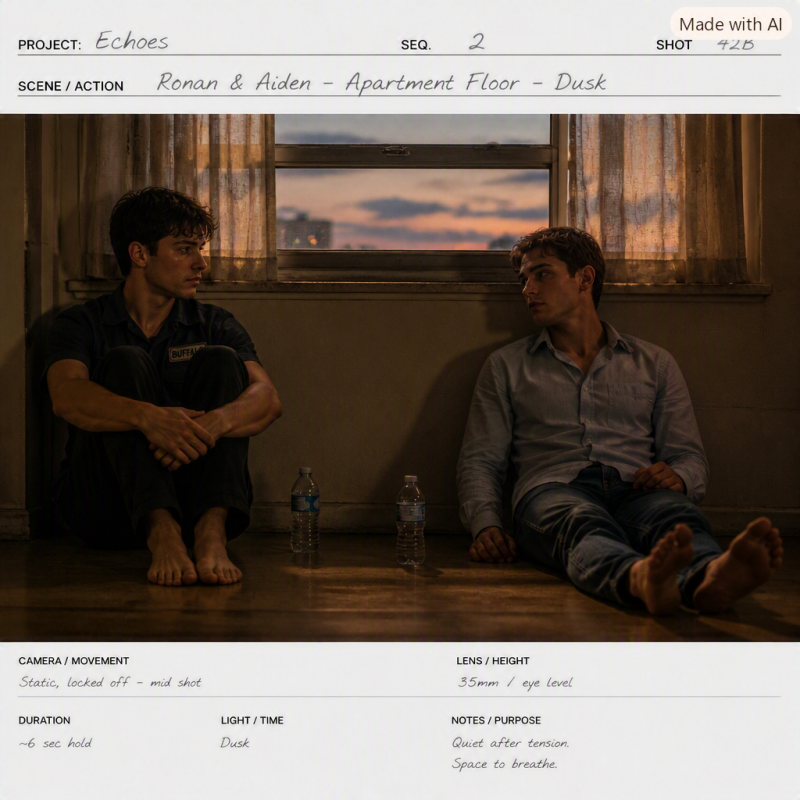
Marble Ivory — restraint held under fading light.


Together they form the emotional temperature of ROAR: grounded, masculine, and still.

COLOR SAMPLES BELOW

The World of the Film

ROAR lives in a small working‑class town where days look the same and men move through them quietly. The restaurant is the center of gravity -  a place built on routine, pressure, and the kind of silence people use to survive. Outside, the town feels wide and empty, all late‑day light and long shadows, the kind of place where you can disappear without anyone noticing.

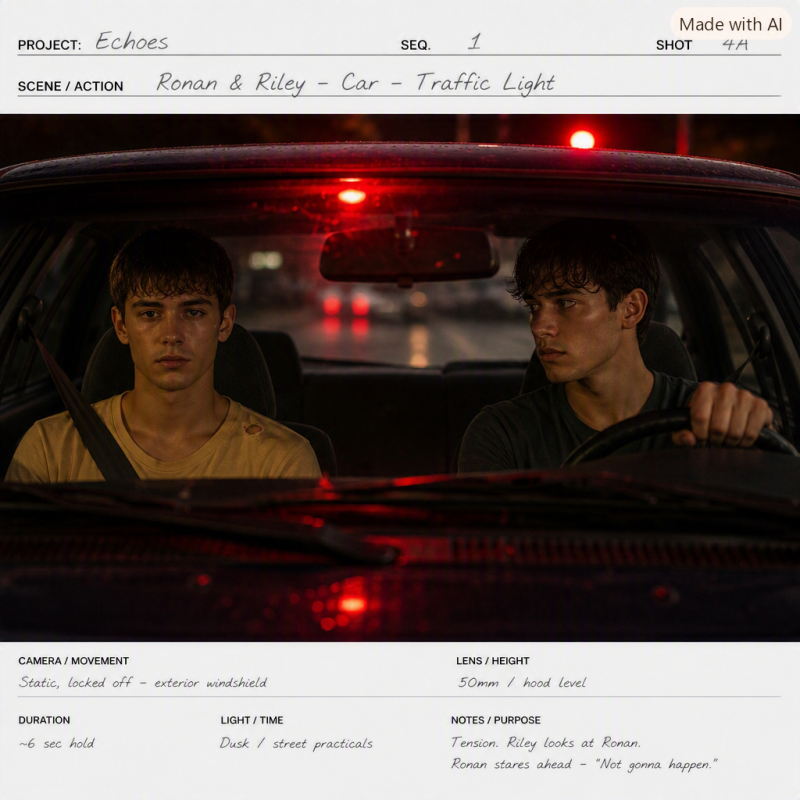
The RV and the road offer a different kind of space - not freedom, but motion. A place where men can talk without facing each other, where the landscape becomes a buffer for things they don’t know how to say. The world is warm inside, cold outside, and always a little still. It’s a place where restraint is the default, and connection feels like something that has to be earned.

The Main Characters

Ronan

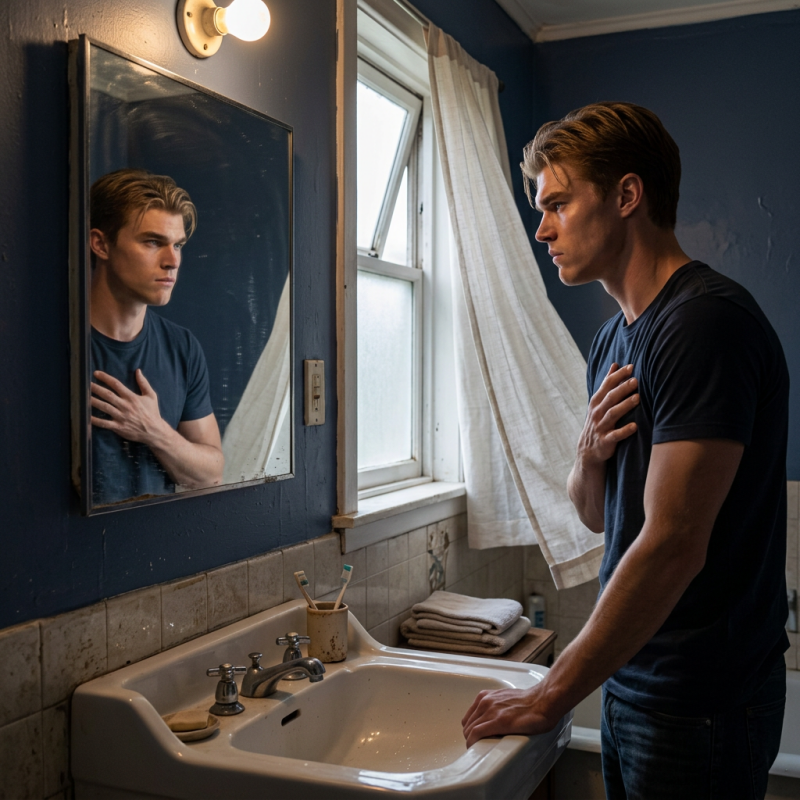
A man who’s spent years feeling unseen, moving through the world quietly, carrying weight he never names. He gives more than he takes and expects nothing in return.

Aiden

A man worn down by the life he built too fast. Steady on the surface, cracking underneath. He’s trying to understand what comes after exhaustion.

Riley

A man who hides behind humor, using it as armor. Restless, sharp, loyal in ways he won’t admit. He’s afraid of standing still long enough to feel anything real.

The Connection

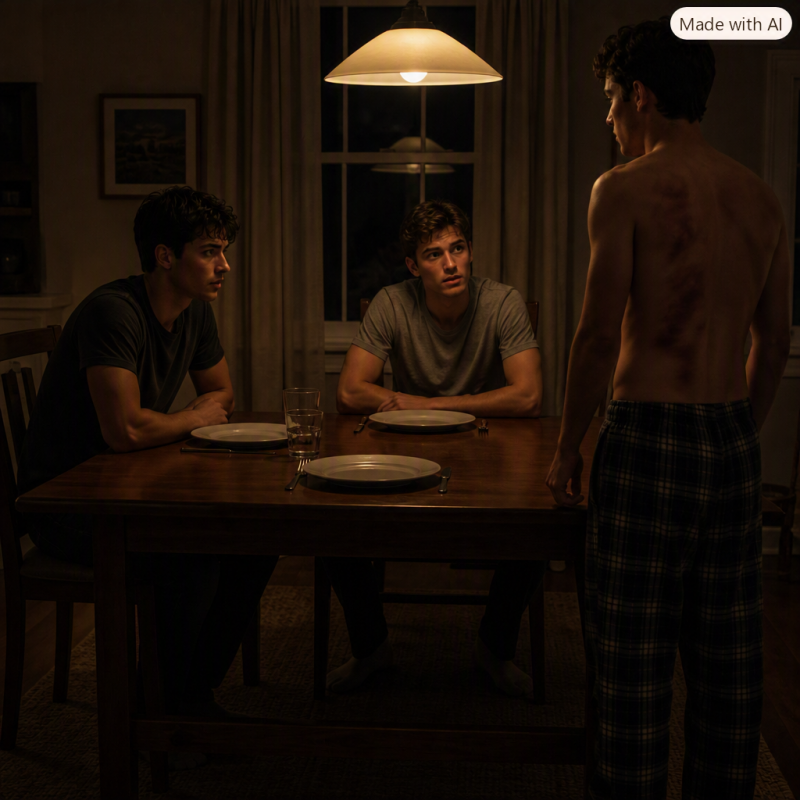
The three men cross paths by accident - a small moment, nothing dramatic, nothing staged. But it’s enough to break the routine each of them hides inside. A spilled drink, a sharp word, a quiet apology that lands heavier than it should. It’s the kind of moment men don’t talk about, but remember.

From there, the connection builds in the only way it can for them: slowly, indirectly, through shared work, shared silence, and the pressure of a place that keeps them close even when they try to pull away. None of them are looking for friendship. None of them know how to ask for help. But the moment they collide creates a space where they can finally see each other - and be seen.

Themes

Masculine Restraint The film lives in the space between what men feel and what they allow themselves to show. Every choice, every silence, every small gesture carries weight.

Being Unseen Each man moves through a world that doesn’t look at him closely. ROAR explores what happens when someone finally does.

Quiet Survival The routines, the work, the long days - all of it becomes a way to cope. The film examines how survival can look calm on the outside and brutal underneath.

Accidental Brotherhood Connection doesn’t arrive through speeches or confessions. It shows up in small moments, shared pressure, and the quiet recognition of someone carrying a similar weight.

Movement as Healing The road isn’t freedom. It’s motion - a place where men can talk without facing each other, where healing happens indirectly, almost by accident.

Visual Language

Framing The camera holds the men in wide, quiet compositions that let their behavior speak. Faces are not chased. Reactions are not forced. The frame gives them space to exist without explanation.

Camera Movement Movement is rare and purposeful. When the camera shifts, it does so slowly, almost cautiously, as if it is approaching the truth rather than capturing it. Most of the film lives in stillness, allowing tension to build inside the frame instead of through motion.

Stillness Long takes create pressure. Silence becomes part of the visual rhythm. The camera watches without interfering, letting small gestures carry emotional weight.

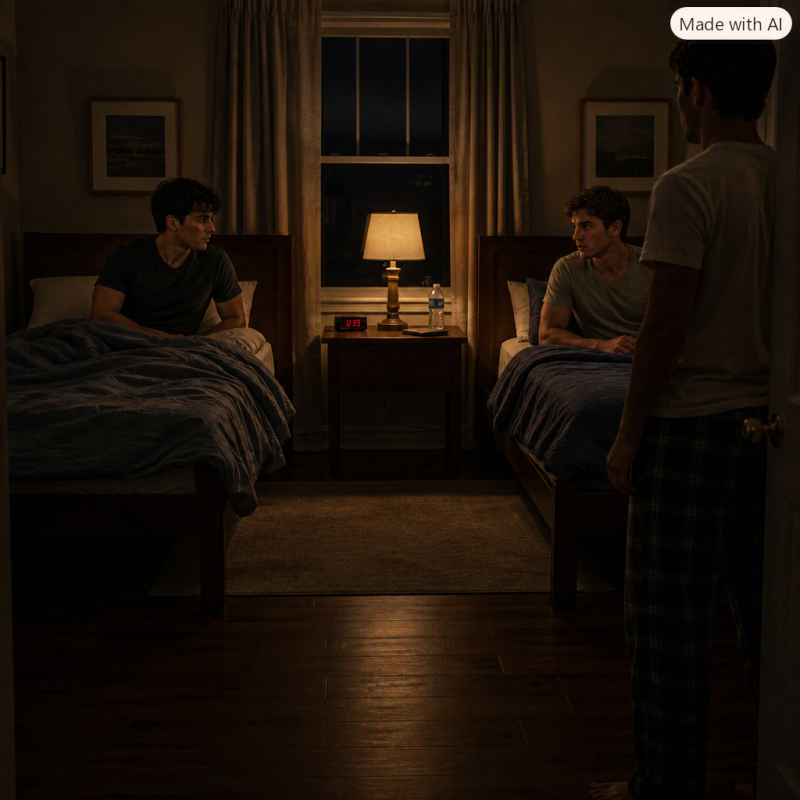
Light Interiors feel warm and lived in. Exteriors feel cold and open. Late day light stretches across surfaces and skin, creating a natural contrast between safety and exposure. Shadows are long and honest.

Texture The world feels physical. Wood, metal, fabric, steam, breath, heat. The camera stays close enough to feel the environment but never close enough to crowd the men inside it.

Distance The camera keeps a respectful distance until the moment demands closeness. When it moves in, it does so with intention, creating intimacy without sentimentality. The space between the men and the lens becomes part of the story.

Why Now

Audiences are ready for stories about men who live quietly and carry more than they show. The culture is shifting toward honesty, but most films still treat vulnerability as spectacle. ROAR does the opposite. It focuses on the small moments where connection actually happens and the quiet ways men try to survive their own lives.

The world is full of people who feel unseen, tired, or stuck inside routines that no longer serve them. ROAR speaks to that without preaching. It offers a grounded, intimate look at masculinity that feels current, human, and real. The film arrives at a moment when viewers want authenticity and emotional truth, not noise.

ROAR is a story about restraint, pressure, and the slow formation of trust. It reflects the way people are living right now, and it does so with clarity and stillness.

Production Approach

ROAR is built with a focus on realism and intimacy. The film relies on natural environments, lived in spaces, and performances that feel unforced. The scale is intentionally contained. The town, the restaurant, and the RV create a world that feels close enough to touch. Nothing is embellished. Nothing is heightened. The production design supports the story by staying honest and restrained.

Casting centers on authenticity. The men in this film need to feel like they have lived real lives. The performances should carry quiet weight, subtle tension, and the kind of emotional truth that comes from experience rather than performance. Chemistry matters more than archetype. Silence matters more than dialogue.

The shoot favors controlled days, minimal setups, and a camera that observes rather than performs. The goal is to create an environment where the actors can breathe inside the frame. The production leans on natural light, practical locations, and a crew that understands the value of stillness. The approach is simple, precise, and grounded in behavior.

ROAR is designed to be made with intention. Every choice supports the emotional core of the film. Nothing is wasted. Nothing is loud. The production serves the story by staying close to the truth of these men and the world they inhabit.

Timeline

Development The script is complete and continues to receive focused refinement. The world, tone, and character work are fully established. ROAR is ready for packaging and early conversations with producers and managers.

Packaging Casting targets are being identified. The goal is to attach actors who carry quiet weight and natural presence. Conversations with potential producing partners will begin once the deck is finalized. The project is positioned for a realistic path toward financing.

Pre Production Prep is planned for a steady, intentional window. Location scouting, restaurant layout planning, and RV sourcing will begin once attachments are in place. The visual language and production approach allow for a clean and efficient prep period.

Production Window The intended shoot is a late summer or early fall window. This season supports the film’s natural light, long shadows, and warm interiors. The scale of the film allows for a controlled and focused production period.

Post Production Editing will begin immediately after wrap. Sound, score, and color will follow in a calm, deliberate rhythm. The goal is to complete post in time for a strategic festival submission cycle.

Release Path ROAR is built for a festival premiere that values grounded, character driven work. The film is positioned for a path that includes prestige festivals, boutique distributors, and platforms that support intimate, emotionally honest storytelling.

About the Filmmaker

Edward D Padilla is a filmmaker who works in quiet, character driven spaces. His focus is on behavior, stillness, and the small moments where people reveal who they are without saying much.

His feature, Colors of the Sun, which follows real people at the beginning of the AIDS Epidemic in 1985, Albuquerque, NM, is an intimate portrayal of bonding and connection. 

His short, Clink, is set to soon hit the festival circuit. It demonstrates Edward's commitment to learning the people, not plot mechanics, creating truth in seven minutes.

He builds films from lived environments and natural performances, creating stories that feel honest and unforced.

ROAR continues his commitment to intimate, grounded storytelling that carries weight without noise.

Closing Statement

ROAR is a film built on quiet truth. It is grounded, intimate, and driven by the small moments that reveal who people really are. The story lives in restraint, pressure, and the slow formation of trust. Every choice in this deck reflects the intention behind the film and the world it inhabits. ROAR is ready to move forward with partners who value authenticity, stillness, and character driven storytelling.

Contact

For inquiries, collaboration, or representation conversations, ROAR can be reached through the contact information below. The full pitch deck is available for download and includes all materials needed for packaging and early development discussions.

Contact Edward Padilla
Email: edward.d.padilla@gmail.com
Phone: Available after initial contact
Location: Albuquerque, NM

Tone and Texture

Ronan

A man who’s spent his life feeling unseen, moving through the world quietly, hoping someone finally notices the weight he carries.

Aiden

A man who feels like he’s already lived his whole life before thirty, trying to understand what comes after exhaustion.

Riley

A man who hides behind humor, using it as armor to survive the damage he won’t talk about.